2 hours ago
21
Published October 23, 2026 4:36 PM CDT
 article
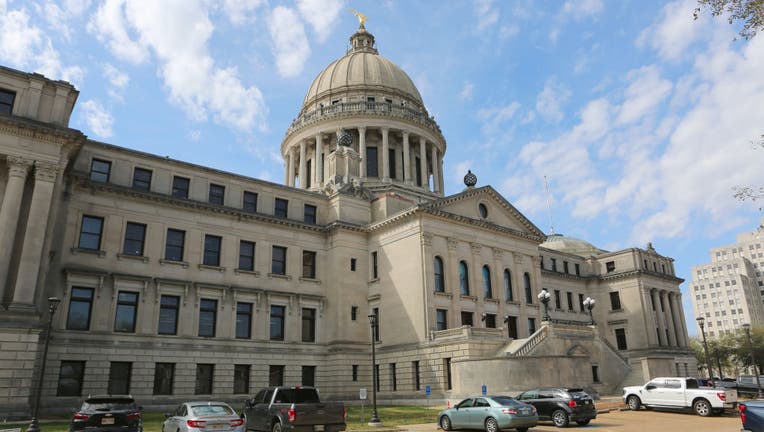
The Mississippi State Capitol Building is displayed on March 11, 2022 in Jackson, Mississippi. (Photo by Peter Forest/Getty Images for MoveOn & Emmett Till Legacy Foundation)
JACKSON, Miss. - Parts of Mississippi’s ban on diversity, equity and inclusion practices in public schools can take effect after the U.S. Fifth Circuit Court of Appeals overturned a lower court ruling that had blocked enforcement of the law.
Why you should care:
The parts of the law in question prevent public schools from requiring diversity training and maintaining DEI-related programs, courses and offices. It also bans public schools from discussing a list of "divisive concepts" related to race, sex, gender identity, sexual orientation, religion, ethnicity and national origin. Public schools that violate the law could lose state funding.
RELATED: Watch: Bodycam video shows police shooting that killed 1-year-old Mississippi toddler
The backstory:
The ban passed in April 2025 and is being challenged by a group of educators, students, parents and activists who say the law violates their First and Fourteenth Amendment rights.
The plaintiffs have several weeks to file a petition for rehearing with the Fifth Circuit. The law would take effect seven days after the petition deadline passes or if a petition is denied, according to McKenna Raney, an attorney representing the plaintiffs.
What's next:
The Fifth Circuit also ordered that the case be reassigned to a different district court judge after U.S. District Judge Henry Wingate issued a "botch job" temporary restraining order that contained artificial intelligence hallucinations, according to the Thursday ruling. The TRO predates Wingate's August 2025 preliminary injunction, which the Fifth Circuit overturned.
Additionally, the ruling provides clarity on the scope of the law, which opponents have criticized as overly vague.
The law does not apply to scholarly activities, student activities and groups or creative engagements, according to the Fifth Circuit. The court also said concerns raised by the plaintiffs that the law would ban discussions of civil rights, Dr. Martin Luther King Jr., the Ku Klux Klan, the Fourteenth Amendment, Juneteenth and "Of Mice and Men" are incorrect.
RELATED: Women charged after child allegedly suffers burns to feet at Mississippi daycare
The other side:
"It is heartening to know that at the very least these specific iterations of classroom discussions that have been happening for years in Mississippi are exempted and they can continue unimpeded," said Raney, an LGBTQ Justice Project staff attorney with the American Civil Liberties Union of Mississippi. However, Raney said the types of discussions allowed under the law are still "murky."
What they're saying:
The Mississippi Attorney General's Office, which represents the defendants, did not immediately respond to an email requesting comment on the court's ruling. The office's attorneys have previously argued that public employees do not have First Amendment rights when acting in a professional capacity.
The Source: The Associated Press contributed to this report. The story is based on a Thursday ruling by the U.S. Fifth Circuit Court of Appeals, along with comments from McKenna Raney, an attorney with the American Civil Liberties Union of Mississippi who represents the plaintiffs. This story was reported from Los Angeles.
MississippiEquity and Inclusion