6 hours ago
28
Published November 22, 2026 9:19 PM CST
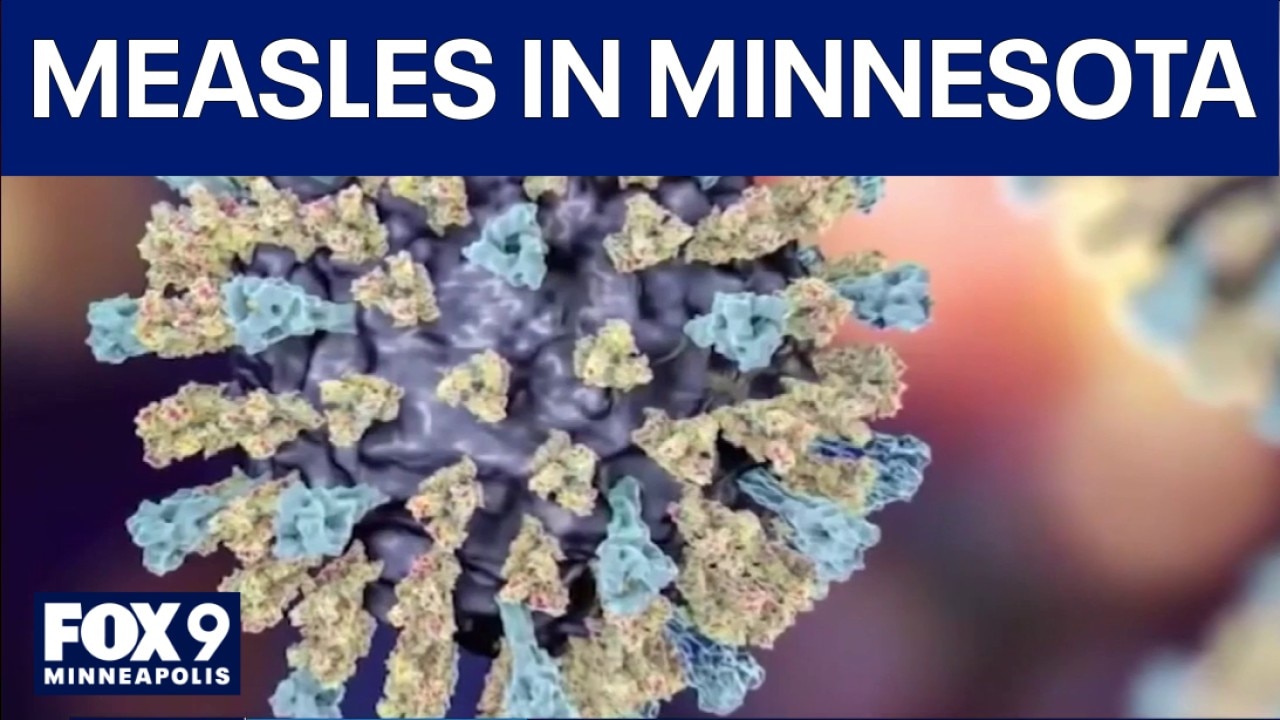
Minnesota measles cases surge ahead of Thanksgiving gatherings
Measles is now one more health concern in Minnesota as Thanksgiving draws closer. The Minnesota Department of Health has confirmed 203 measles cases this year, which is the highest level the state has seen in decades. This as families will gather this week for the Thanksgiving holiday. FOX 9's Mike Manzoni has more.
MINNEAPOLIS (FOX 9) - Measles is now one more health concern in Minnesota as Thanksgiving draws closer.
Minnesota measles cases hit decades-high
The Minnesota Department of Health has confirmed 203 measles cases this year, which is the highest level the state has seen in decades. The figure marks a nearly an eightfold jump from last year's total.
By the numbers:
Last year, measles cases in Minnesota topped out at 26. State health officials said every case this year involves an unvaccinated person, and nearly every one of those cases came from within the U.S., meaning most people did not get infected in another country.
The overwhelming majority of the cases are in Todd County, where state health officials said vaccination rates are lower.
Symptoms and how it spreads
Ahead of Thanksgiving week, measles is joining flu and COVID-19 as one more thing health officials are watching because it spreads so easily.
What they're saying:
"Because measles is so infectious, it just takes the introduction of an infectious person into a community of unvaccinated people to start an outbreak," said Jayne Griffith, a senior epidemiologist with the Minnesota Department of Health. "Most people do recover, but it's a long recovery. The illness itself can last about six to 10 days. Most people, following that initial recovery, will have about a two-to three-year period where their immune system got wiped out from measles."
According to the Minnesota Department of Health, symptoms include a rash, fever and cough, plus a runny nose and watering eyes. After exposure, it can take between eight and 12 days to notice symptoms. The first symptom is typically a fever. Any rash usually starts at the hairline and moves down the face. There is no specific treatment for the virus.
The Source: This story uses information from FOX 9's Mike Manzoni, senior epidemiologist Jayne Griffith and the Minnesota Department of Health.
HealthMinnesota