2 hours ago
20
2 hours ago
20
Published October 2, 2026 4:30 PM CDT
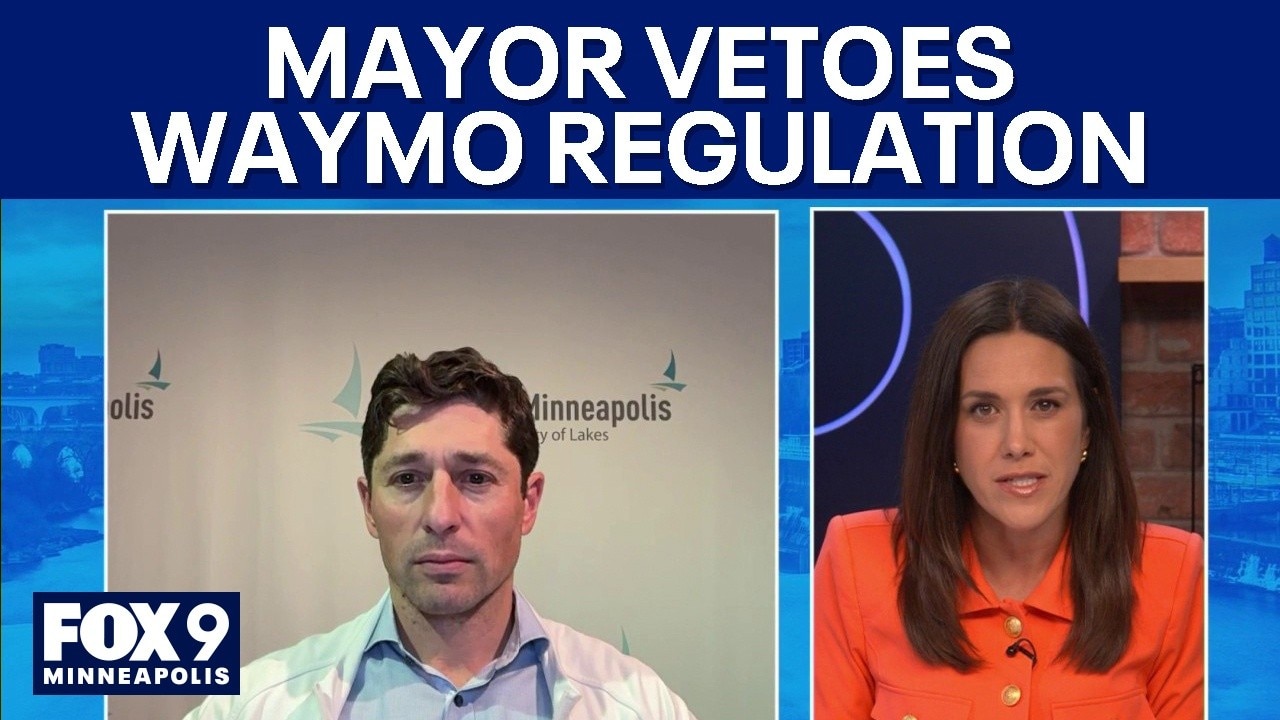
MINNEAPOLIS (FOX 9) - One day after the Minneapolis City Council approved an ordinance that would require autonomous vehicles — such as ones run by Waymo — to have a person in them while operating.
Minneapolis Mayor Jacob Frey joined FOX 9’s All Day to outline his position on vetoing the increased regulations.
Minneapolis robotaxi ordinance
What we know:
The ordinance mandates a city-issued license that requires a human safety monitor, with a driver’s license, to be in a driverless vehicle during operation and have immediate access to "steering, braking, and acceleration." Essentially, a person would need to be in the driver's seat, even if the vehicle’s artificial intelligence is doing the actual driving. That human safety monitor would also be paid minimum wage.
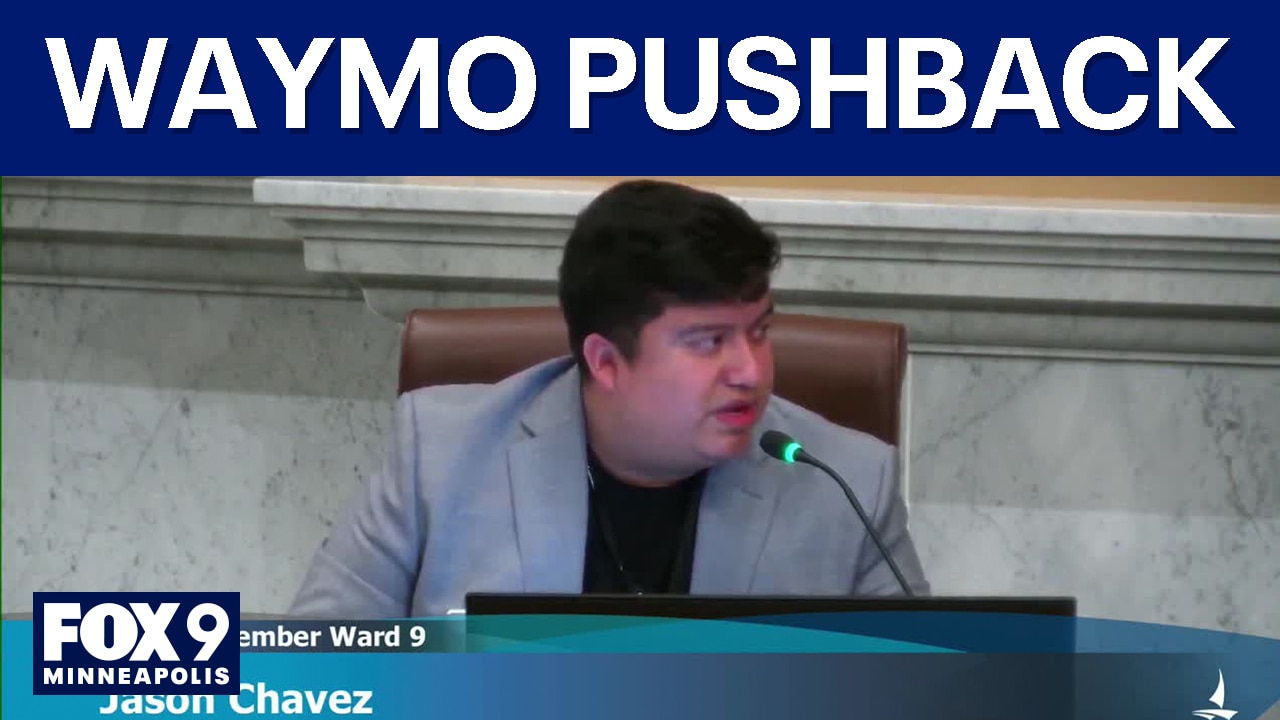
The full council approved the measure by a vote of 7-6 on Oct. 1, 2026, with members Elliott Payne, Robin Wonsley, Jamal Osman, Jamison Whiting, Soren Stevenson, Jason Chavez, Aisha Chughtai and Aurin Chowdhury opting to pass the increased regulations.
Supporters of the technology, popularized by companies such as Waymo, argue that the use of autonomous vehicles makes travel safer – both on the roads and for those opting to use them, citing reduced crashes and potential for assault and discrimination.
Meanwhile, critics argue the advancement of the technology poses a threat to current rideshare workers.
If approved, the measure would have made Minneapolis the first U.S. city to require a person in the driver’s seat for what’s become known as "robotaxis."
Mayor Frey vetoes autonomous vehicle ordinance
What they're saying:
Speaking with FOX 9’s Courtney Godfrey the day after its approval, Frey outlined why he would ultimately veto the increased regulations.
"It doesn't make sense to require a driver in a driverless car. The whole model is autonomous, and it doesn't need a driver in it. And so, what this obligation that the city council is providing is basically a backdoor way of banning the technology entirely," Frey said on Friday. "This is a technology that exists already in a number of other cities that has been in use at this point for over a year, and I think we should embrace it in the city, and at the same time, we should regulate it. We should make sure that it's safe. We should make sure that the technology functions well, and is set up so that it works well in Minneapolis… But at the same time, we should also legalize this new and innovative technology in our city."
Addressing the veto being painted as "anti-worker" in regard to securing human positions within the business model, Frey likened the advancement of technology to others than have adapted in recent decades.
"Throughout history there have been advances in technology that shift industries from one area to the next. I mean, we used to have elevator operators. We don't have them anymore," Frey told Godfrey. "I don't think that rideshare [autonomous vehicles] are just going to go away. I think that they will exist for years and years, even decades into the future. They'll probably exist forever in some form. When rideshare began, I was the one that authored the ordinance that legalized it, and people pushed back. Why? Because they thought that it changed the game, and it was too much progress, too much change all at once. I think just like then, right now, we can bring it in, we can legalize it, we can regulate it, we can ensure safety, but we can also embrace change in progress."
Frey veto letter
Dig deeper:
On Friday, Mayor Frey also officially submitted a veto for Council Action 2026-034, writing a statement to council members pushing the regulations that said, in part:
"Local governments should have a role in regulating autonomous vehicles (AV) for rideshare. But this ordinance ignores operational issues that we should be addressing – curbside management, emergency response, traffic enforcement, liability and insurance, privacy and data reporting — and instead requires a driver to sit in driverless vehicles.
"Requiring a human monitor in AV [autonomous vehicle] rideshare cancels out the benefits for riders who prefer a driverless vehicle for safety and reliability. You heard testifiers from the disability community share that traditional rideshare vehicles have canceled their rides due to the use of a service animal or wheelchair. You heard testimony regarding concern over sexual assault or other crimes being committed by rideshare drivers and passengers.
"And, you have heard concerns from parents who would like to use AV rideshare as an option for safely sending their children to school or other activities. These individuals should have choices in Minneapolis."
In closing, Frey said that, "Minneapolis must be open for business, including innovative technology," while also expressing that, "I cannot support a backdoor ban that belies our progressive tradition in Minneapolis."
The Source: FOX 9 reporting from the Minneapolis City Council, and an interview with Mayor Jacob Frey on FOX 9's All Day.
MinneapolisMinneapolis City CouncilTechnologyBusinessArtificial IntelligencePoliticsCrime and Public Safety