12 hours ago
25
12 hours ago
25
Published August 18, 2026 6:13 PM CDT
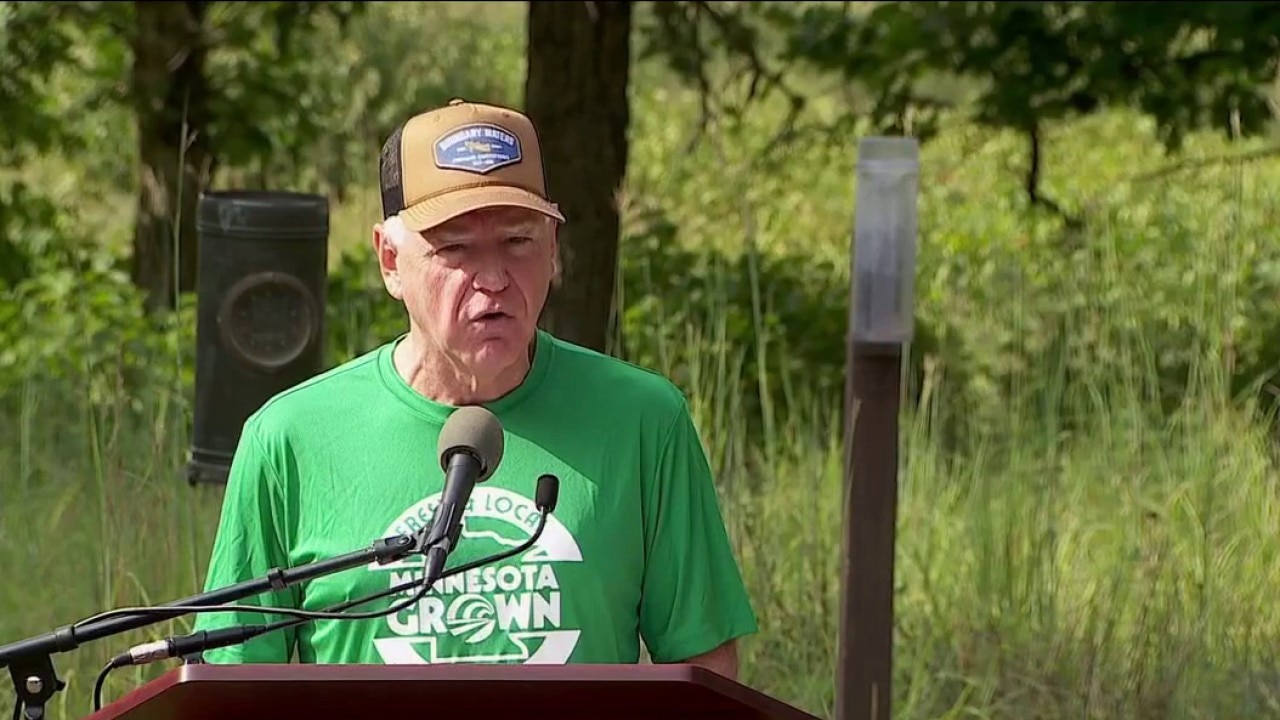
ELY, Minn. (FOX 9) - A new executive order from Gov. Tim Walz is putting a stop to new mining projects near the Boundary Waters, sparking strong reactions from both supporters and critics.
Walz blocks new mining permits near Boundary Waters
What we know:
Gov. Tim Walz announced Tuesday that his administration will not allow new mining permits or leases in the Rainy River headwaters, an area including the Boundary Waters Canoe Area Wilderness (BWCAW).
"As far as my administration is concerned, the fight for the future of the Boundary Waters is over. The verdict is in. The decision's been made. We will protect this place forever," said Walz.
The order also blocks state agencies from cooperating with federal environmental reviews, making it nearly impossible for new mines like the proposed Twin Metals copper-nickel project near Ely to move forward.
"The federal government cannot unilaterally authorize a mine to begin construction, it can begin its environmental review processes and may ask DNR to be what is referred to as a cooperating agency," said Sarah Strommen, DNR Commissioner.
Under the order, the Department of Natural Resources and the Pollution Control Agency cannot participate in those federal reviews.
Twin Metals, which is a subsidiary of a Chilean company, says its project would have created hundreds of construction jobs and 750 permanent mining jobs in the region. Under the best circumstances, it would’ve taken five to 10 years for a mine like Twin Metals to go from starting the formal approval process to actual production.
Some local outfitters and conservation groups have long argued that copper mining could threaten the pristine waters and wilderness experience along the 1,500 miles of canoe routes on the U.S.-Canada border.
The backstory:
The debate over mining near the Boundary Waters has divided communities for years.
While many see mining as a source of good-paying jobs, others worry about the environmental risks to one of Minnesota’s most cherished natural areas.
The Twin Metals project has been in the works for years, but the new order from Walz is a major setback for the company and its supporters.
Industry groups point out that the minerals from these mines are needed for green energy projects, which the state usually supports.
Labor unions and lawmakers push back
What they're saying:
Some of Walz’s longtime supporters, including labor unions, are upset by the move.
"We're regulated. Our permitting process is stringent. We feel we can mine safely here. Our workers who build these sites and do this work, they're literally some of the best and safest workers in the country. So it's all right here for us. It's at our fingertips, and now we seem to be taking steps backwards on trying to be able to mine that here, produce these products here," said Tom Dicklich, Minnesota State Building and Construction Trades Council executive director.
"After supporting the governor for many years, I was disappointed in this morning’s announcement," said IUOE Local 49 Business Manager Ryan Davies. "Looking back at all the accomplishments under his leadership, like Paid Family Medical Leave, Earned Sick and Safe Time, bonding bills, pipelines, a plan for carbon neutrality by 2050, and more, it’s hard to watch us step backward when we need new business to create good-paying jobs and support the programs our state offers."
Senator Grant Hauschild, (DFL-Hermantown) also opposed the order. "My constituents are sick of executive overreach by people who no longer feel accountable to the voters or the legislative process, whether that’s in St. Paul or in Washington," he said. "In my four years in the Senate, a mining ban never moved through the legislative process or was considered. The truth is, no one can honestly say whether they support a mining project before it has gone through the full environmental review and permitting process. Minnesota has some of the strongest environmental and labor standards in the country. If a project can’t meet them, it shouldn’t move forward. I also don’t believe politicians should pick winners and losers and decide the answer before the science and the process have had their say."
Sen. Amy Klobuchar said she supports mining in general and believes there are many projects that can be done safely, but she has concerns about mining so close to the Boundary Waters.
Her gubernatorial race opponent, Lisa Demuth, said she opposes the order.
The other side:
"I don't deny we need critical minerals. And I would be a governor who created the first taconite mine, first steel mine, in 50 years that we just opened up on the Iron Range. So there's mining activity happening. But not all places should be mined," Walz said on Tuesday.
Conservation groups are celebrating the executive order, saying it’s a crucial step to protect the Boundary Waters for future generations.
"When the federal government is overturning hard-earned, science-based, broadly popular protections for the BWCA," said Jason Zabokrtsky of Ely Outfitting Company. "I'm so incredibly proud of you, Governor for standing up and doing everything you can to make this right. Certainly, there is a lot of work yet to be done. There is a journey ahead for permanent protection. Your leadership governor is making this path forward possible. Thank you for standing up to powerful foreign mining interests. Thank you, for trusting the science that shows the Boundary Waters watershed is incompatible with sulfide or copper mining. Thank you standing up with the majority of Minnesotans who oppose mining near the Boundary Waters."
Future of mining in the region
What's next:
The executive order is set to last at least as long as Walz is in office, which is about five more months. He acknowledged that a future governor could reverse the order.
The debate over balancing environmental protection and job creation is likely to continue, especially as demand for minerals used in green energy grows.
What we don't know:
It’s unclear how the next administration will approach mining near the Boundary Waters or if the Twin Metals project could be revived in the future or if a lawsuit or federal action could go around the executive order. The long-term impact on local jobs and the state’s green energy goals remains uncertain.
PoliticsTim WalzMinnesotaWild Nature